Travel Gluten-Free Without Stress
- Feb 13
- 4 min read
Many of my clients who live with food restrictions don’t see travel as something exciting. They see it as something to survive. Instead of dreaming about the destination, they worry about the food.
What will I eat? Will I find anything safe? Will I end up hungry, bloated, or frustrated — instead of relaxed and present?
When food impacts how you feel, travel can feel stressful and unpredictable. But it doesn’t have to be that way. Travel can absolutely be enjoyable, even on a gluten-free or restricted diet. It just asks for a different kind of preparation — and an even kinder mindset. Let’s talk about how to make that happen.

Preparation Is Everything (Really)
I can’t even count how many times I’ve checked ahead, seen that the airport offers gluten-free options… and then arrived only to hear, “Sorry, we’re sold out.”
That’s usually how the stress begins. People skip meals. They grab something they normally wouldn’t choose. They start the trip already feeling tired, bloated, or just off. And that’s not how you want to begin something that’s supposed to feel exciting. So this is always my first rule: bring your own food.
For the airport and the plane, I usually pack something simple and balanced:
a gluten-free sandwich or wrap
a small salad with protein
cut fruit or vegetables
boiled eggs
rice cakes or gluten-free crackers
Nothing fancy. Just safe, familiar food. When you bring your own meals, you’re not relying on luck. You’re taking care of yourself. And that small step changes everything — especially on day one.
Snacks Are Your Safety Net
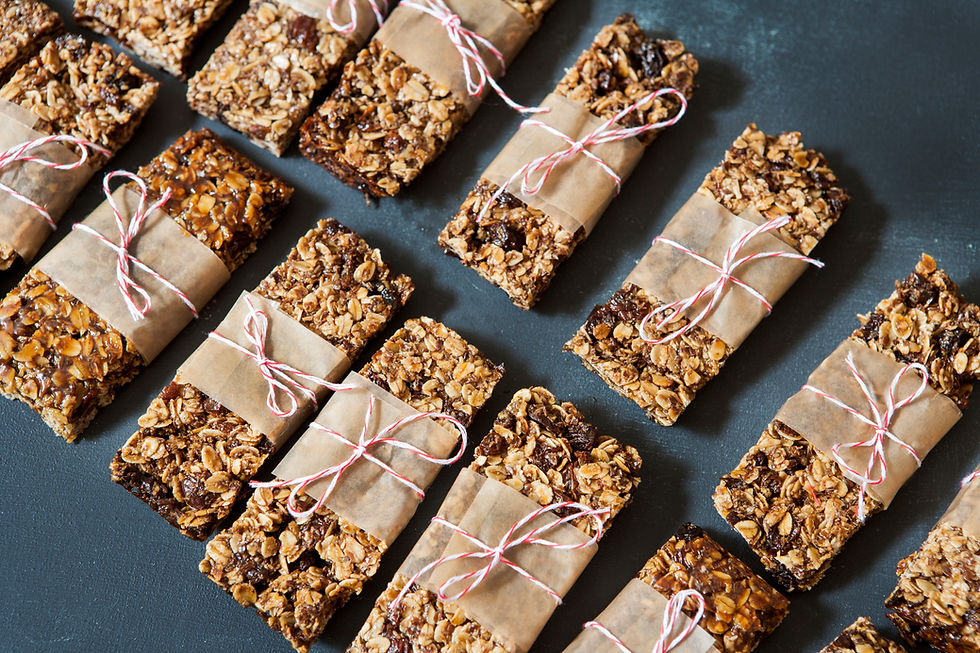
Snacks aren’t “extra.” They’re what keep you steady. When you’re traveling, you walk more. Meals get delayed. Plans change. And you don’t always know what will be available. Having something small with you changes everything.
Some of my go-to travel snacks are simple:
dried fruit
nuts and seeds
a basic homemade trail mix
protein bars
Choose Accommodation That Supports You
If you can, choose a place with a small kitchen or kitchenette — even a basic one. Access to a fridge, a kettle, or a little cookware really does change everything. You don’t need to cook full meals. But being able to make your own breakfast, prepare something simple for dinner, or keep safe snacks on hand takes so much pressure off. It gives you flexibility. And that means less stress — and more space to actually enjoy your trip.
Research Food Options Before You Go
If you don’t want to cook while traveling — that’s completely okay. What really helps is looking ahead a little. Check a few restaurant menus before you go. Look for places that understand gluten-free needs. Save a couple of options on your phone. If it’s a busy season, consider making a reservation. It doesn’t have to be complicated. Just knowing you have a few safe choices makes such a difference. That way you’re not walking around hungry, trying to figure everything out in the moment — and hoping something works. A little preparation brings a lot of calm.
Learn a Few Key Phrases
When traveling abroad, knowing how to say:
“I’m gluten-free”
“I can’t eat wheat”
“Is this prepared separately?”
in the local language can be incredibly helpful.
Traveling with Kids on a Gluten-Free Diet
When kids are part of the trip, preparation becomes even more important.
Hunger plus unfamiliar food can turn travel into stress very quickly — for kids and parents alike. I always encourage packing familiar, safe foods your child already eats: their favorite gluten-free bread, snacks they trust, simple meals, and a few “just in case” options for delays.
Restaurants can be unpredictable, especially in airports or during busy travel days. Having trusted food on hand helps kids feel safe, prevents meltdowns, and allows the whole family to stay more relaxed and present — instead of constantly worrying about the next meal.
Keep Cross-Contamination in Mind
You don’t need to be anxious — just aware. Sometimes gluten isn’t in the dish itself, but in how it’s prepared. Shared fryers, cutting boards, bread crumbs in butter, or sauces thickened with flour can be enough to cause symptoms. Ask gently and clearly when needed. Awareness helps you make safe choices — without turning every meal into stress.
Support Your Digestion While You Travel
Travel changes your routine — and your digestion feels it. Different foods, irregular meal times, less sleep, long flights, and more stress can slow digestion, increase bloating, or make you feel “off.” Even if everything is gluten-free, your body is still adjusting. A few simple things help:
Drink enough water (flying especially dehydrates you)
Eat slowly and don’t rush meals
Keep meals simple on travel days
Bring magnesium if it helps your regularity
Use digestive enzymes if you already know they support you
Take a probiotic to support your gut microbiome in new environments
And maybe most important — manage stress. When your nervous system feels calm, digestion works better. Supporting your gut and immune system while traveling isn’t about control. It’s about helping your body feel safe in a new environment
Traveling on a gluten-free or restricted diet doesn’t have to feel like survival mode.
With a bit of preparation, flexibility, and self-compassion, it can actually feel empowering — like you know how to take care of yourself (and your family) anywhere in the world.


Comments